In brief

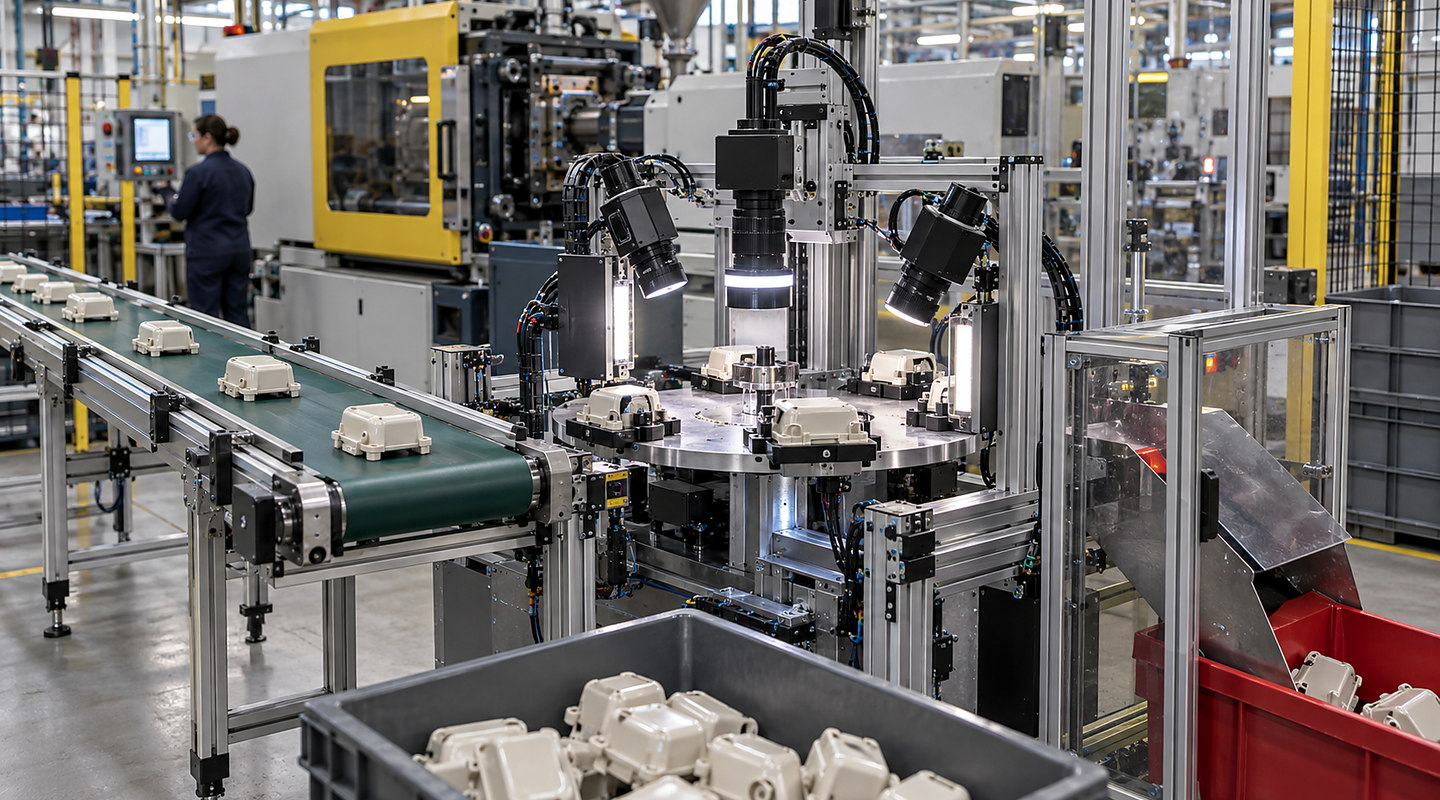
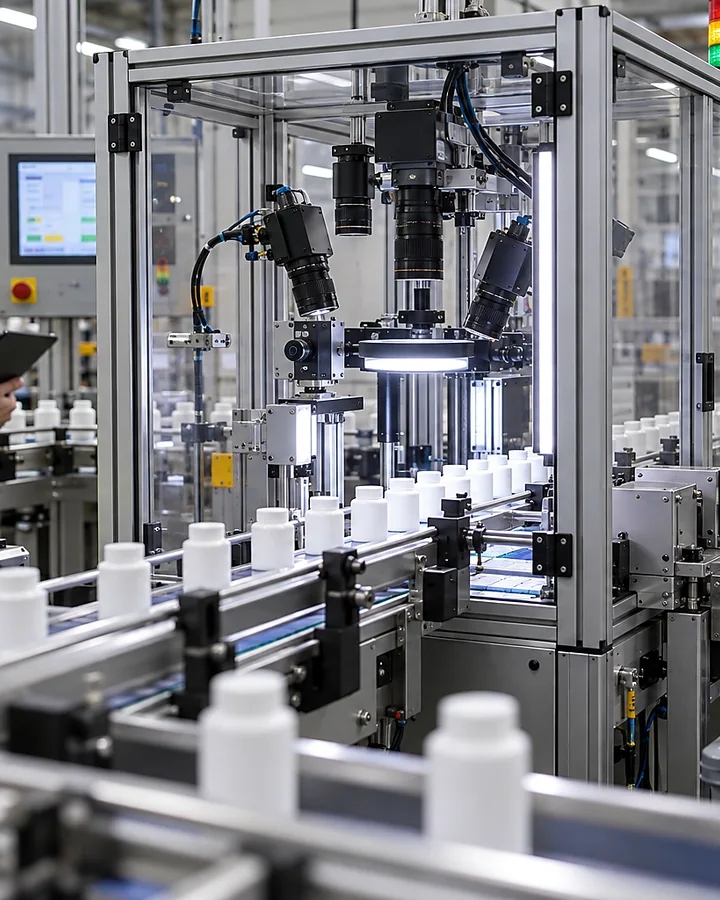
In-line scratch inspection needs a repeatable view and a reliable connection between the image decision and the part being handled. Trial the agreed scratches and acceptable finishes in the intended position and movement range, then check how recipes, part tracking and rejected or uncertain results fit the line.

Document the surface area and defect conditions actually demonstrated. Use the acceptance guide to keep optical results, line responses and exclusions in the same record.

On the production floor

Plan for the conditions your team handles every day — Scratch Detection Systems

Plan scratch detection systems around representative good, bad and marginal samples, line presentation, lighting, reject handling and challenge criteria. Discuss an optical feasibility trial with Oxford Vision Systems. For in-line inspection using automated surface-scratch detection, the deciding details include visible defect or measurement definition for automated surface-scratch detection, part presentation and production speed and false-accept, false-reject and challenge criteria.

Discuss your application
Your application

Details worth resolving early for in-line inspection using automated surface-scratch detection

Question 1

Visible Defect or Measurement Definition for Automated Surface-Scratch Detection

For in-line inspection using automated surface-scratch detection, describe the current position, required outcome, acceptable limits and known exceptions for visible defect or measurement definition for automated surface-scratch detection. That lets us compare options against your real production rather than one nominal value.

Question 2

Good, Bad and Marginal Sample Range

For in-line inspection using automated surface-scratch detection, describe the current position, required outcome, acceptable limits and known exceptions for good, bad and marginal sample range. That lets us compare options against your real production rather than one nominal value.

Question 3

Part Presentation and Production Speed

Describe rotation, tilt, position variation, movement at capture and fixture restrictions. Record areas that become obscured and the available inspection timing within the line sequence. Assess these conditions with the reference samples rather than assuming a stationary trial proves the moving inspection.

Question 4

Optics, Lighting and Environmental Conditions

For in-line inspection using automated surface-scratch detection, describe the current position, required outcome, acceptable limits and known exceptions for optics, lighting and environmental conditions. That lets us compare options against your real production rather than one nominal value.

Question 5

Recipe, Reject and Line-Control Interfaces

For in-line inspection using automated surface-scratch detection, describe the current position, required outcome, acceptable limits and known exceptions for recipe, reject and line-control interfaces. That lets us compare options against your real production rather than one nominal value.

Question 6

False-Accept, False-Reject and Challenge Criteria

For in-line inspection using automated surface-scratch detection, describe the current position, required outcome, acceptable limits and known exceptions for false-accept, false-reject and challenge criteria. That lets us compare options against your real production rather than one nominal value.

Your operating cycle

Plan for more than automatic running

Include replenishment, normal production, planned change, short stops, fault recovery, cleaning and maintenance for in-line inspection using automated surface-scratch detection. A fast automatic step can still leave your team with a slow or awkward overall process.

Prove the result

Test in-line inspection using automated surface-scratch detection against representative good, bad and marginal samples

Normal production

Include the agreed product and finish mix, repeated passes and normal presentation changes. Retain the recipe, lighting/viewing arrangement and result for each reference sample so production variation can be distinguished from a changed setup.

Difficult conditions

Include boundary scratches in different directions and locations, normal texture that must pass, and weak views near edges or curved areas. Record coverage gaps and uncertain decisions explicitly; do not count an unobserved area as an inspected pass.

Fault and recovery

Agree how the line will handle a missing image, uncertain decision, incorrect recipe or interrupted part/result sequence. Record the observed containment, notification and restart response under the agreed test plan, and identify any unverified dependency or unresolved finding.

Important limits

Be clear about what the trial has shown

Compare with Retrofit or Multi-Variant Checks Involving Automated Surface-Scratch Detection if that operating pattern is closer to your application.