In brief

Choose an approach to scratch detection systems by what the product or part does in production and by the result you need—not by sector name alone.

For in-line inspection using automated surface-scratch detection and retrofit or multi-variant checks involving automated surface-scratch detection, different operating conditions can change the recommended approach.

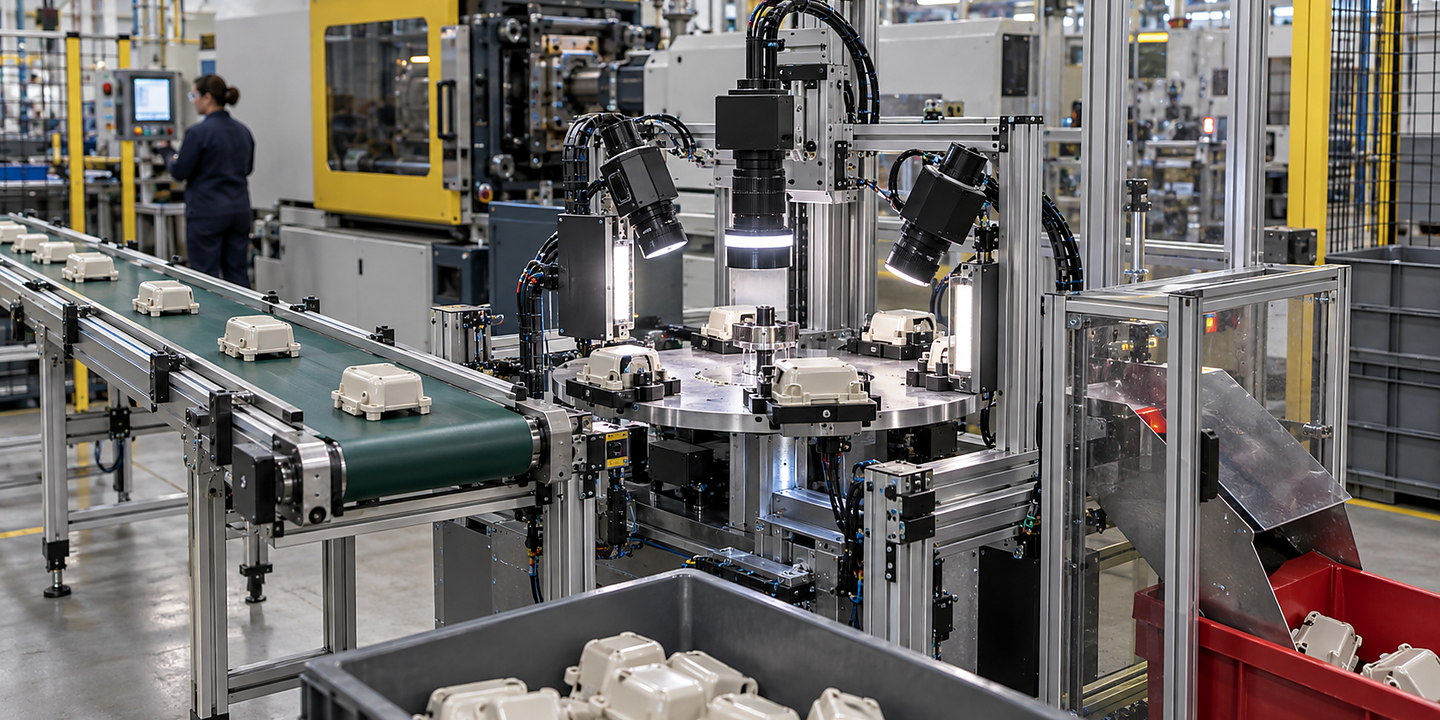
On the production floor

Match the solution to your product, part and operating needs — Scratch Detection Systems

Plan scratch detection systems around representative good, bad and marginal samples, line presentation, lighting, reject handling and challenge criteria. Discuss an optical feasibility trial with Oxford Vision Systems. Use the application examples to compare in-line inspection using automated surface-scratch detection with retrofit or multi-variant checks involving automated surface-scratch detection.

Discuss your application
Application 1

In-Line Inspection Using Automated Surface-Scratch Detection

For in-line inspection using automated surface-scratch detection, start by confirming visible defect or measurement definition for automated surface-scratch detection, good, bad and marginal sample range, and part presentation and production speed so the proposed system matches your real production needs.

Explore this application
Application 2

Retrofit or Multi-Variant Checks Involving Automated Surface-Scratch Detection

For retrofit or multi-variant checks involving automated surface-scratch detection, start by confirming good, bad and marginal sample range, part presentation and production speed, and optics, lighting and environmental conditions so the proposed system matches your real production needs.

Explore this application
Choose the right route

Four questions that can change the recommended approach

What arrives?

Describe the real range for visible defect or measurement definition for automated surface-scratch detection and good, bad and marginal sample range, plus presentation and upstream controls—not just a nominal drawing.

What must happen?

Define the required outcome for in-line inspection using automated surface-scratch detection, the allowed window and what your team can recover without outside help.

What surrounds it?

Record the space, services, neighbouring equipment, people, cleaning and data connections around retrofit or multi-variant checks involving automated surface-scratch detection.

What result do you need?

Agree representative trials, difficult samples and the result record for false-accept, false-reject and challenge criteria, including who will review it.

ApproachOften suitable whenWatch for
Scratch Detection SystemsYou need a dedicated solution for a clearly defined duty, product or part range and line interface.A camera can only assess a property made visible and repeatable by the inspection setup.
Purpose-Built Sensors for Simple Presence or Position ChecksThe required decision is simple presence or position, and a suitable sensor has been assessed for that specific condition.Confirm what the sensor actually distinguishes. A presence or position result does not establish surface-scratch acceptance or replace the agreed defect study.
Offline Metrology or Destructive Tests where the Property Is Not Visible InlineThe required property or acceptance decision cannot be demonstrated in the available inline view, or a separate measurement or functional assessment is needed.Agree the reference method, sample selection and how the result governs production decisions. Destructive tests consume the tested item, and neither an offline result nor a camera image establishes properties outside its assessed scope.